
Questions? Call Us
(651) 644-7122
(651) 644-7122
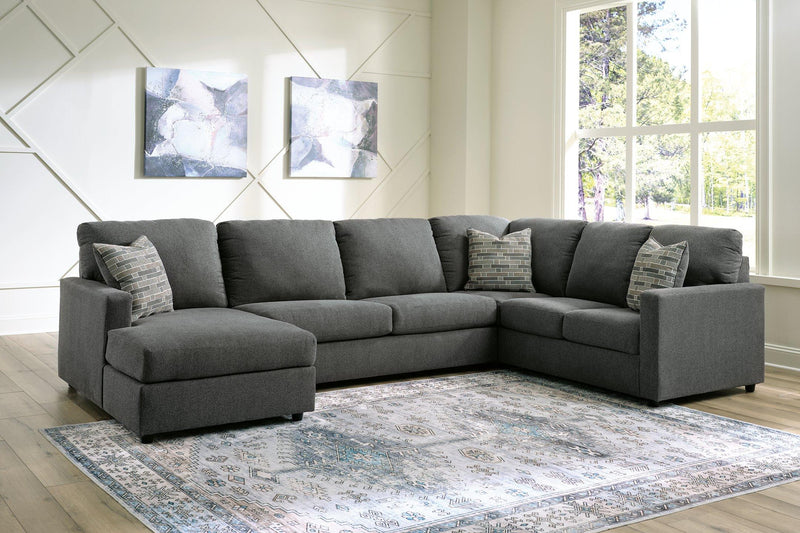
A sectional sofa can define zones, improve traffic flow, and reduce clutter in one organized sectional footprint.
L-shaped sectional layouts work especially well in a small living room, compact room, and other smaller rooms because they maximize seating while preserving floor space.
Modular sectionals consist of separate pieces that can be rearranged into various configurations, such as L-shapes, U-shapes, or linear setups, depending on current needs.
Built-in storage, hidden compartments, a chaise lounge, and a central coffee table help keep daily items close but contained.
The best living room layout starts with measuring the room size, doorways, windows, balcony doors, and walkways before choosing the sectional couch.
People love sectional sofas because they offer comfortable seating, deep seats, and ample seating for families, frequent guests, movie nights, and game nights. But the bigger reason they matter in 2026 is organization. A sectional supports the way a living room, media room, or family room actually works each day.
As more homes use an open floor plan, open plan spaces need clearer boundaries. Sectional sofas can act as soft room dividers in open-concept layouts, visually separating the lounge area from dining or workspace areas without the need for walls. Visual dividers act as a low-profile wall to separate open-concept spaces, which is why a sectional can become a room divider, clutter controller, and traffic guide at the same time.

Sectional sofas improve room organization and layout by maximizing space, defining zones, and providing adaptable seating configurations. This is one of the clearest reasons why sectionals support better room organization in homes with a shared living space.
In larger open-plan spaces, a sectional can define a lounge zone by positioning it to face a focal point, such as a fireplace or TV, creating a distinct area for relaxation.
Using a sectional to separate living areas in an open-plan space can define zones without the need for walls, maintaining a visual flow while creating distinct functional areas.
In a 15x25 ft living room and dining room, float the sectional so it faces the TV while the back edge defines where the dining room begins.
Add a narrow console table behind the sectional for mail, chargers, lamps, or serving pieces instead of letting clutter spread across the whole room.
Keep a 30–36 inch walkway behind or beside the sectional so that the organization does not block movement.
Using a sectional to float in the middle of a room can create a more open and airy feel, while also serving to delineate different functional areas within a larger space.
The right sectional should match the room shape, not fight it. Before purchasing a sectional sofa, measure your room carefully, considering wall lengths, doorways, and windows to ensure a proper fit and avoid blocking pathways.
For a long room shape, an L-shaped sectional can pull seating toward one corner and leave the center open.
For large square rooms, U-shaped or pit-style modular sectionals create a tidy conversation pit instead of scattered furniture.
For an irregular room size with bump-outs, tight corners, or architectural features, modular designs let you adjust the layout around the problem.
When choosing a sectional, consider the layout that matches your room’s natural flow, such as positioning it to face a focal point like a TV or fireplace, which enhances the room’s functionality.
Positioning a sectional sofa to face a fireplace, TV, or large window creates a focal point that enhances the room’s direction and cohesiveness, especially in smaller spaces.
L-shaped sectionals are ideal for small to medium rooms, as they maximize seating while preserving floor space and allowing for clear pathways.
In rooms around 10x12 ft to 14x18 ft, place the corner unit into one corner to open the center for a rug, round coffee table, or regular coffee table.
Tucking corner seats into an empty corner keeps the seating area compact and reduces the need for extra side tables.
Leave 3–5 inches between the sectional and the wall for airflow, cable routing, and easier vacuuming.
In a small living room, choose slim arms and raised legs so the room feels open rather than heavy.
A simple corner layout diagram can show how one sectional replaces a standard sofa plus accent chairs while keeping enough space to move.
A modular sectional sofa can convert from a straight sofa to an L shape to a U shape as needs change.
The flexibility of modular sectionals allows them to adapt as life circumstances change, making them ideal for homes where functions shift throughout the day or week.
Modular sectionals can be easily rearranged to accommodate different room shapes or layouts, making them a versatile choice for renters or those who frequently change their living space.
A renter might use the same modular pieces in a studio in 2024, then reconfigure them for a larger family room in 2026.
Separate pieces can open a walkway, move a chaise lounge near balcony doors, or shorten one side to fit a new room size.
This prevents clutter from collecting in dead zones because the furniture can adapt instead of forcing the whole room to work around it.
Traffic control can be enhanced with sectionals by creating clear pathways around the seating area. Instead of placing chairs randomly across the room, a sectional couch gives the eye and body an obvious route.
Sectional couches optimize room organization by maximizing seating efficiency, defining distinct functional zones, and utilizing underused space. According to common spatial planning guidance, circulation should be protected so that daily movement does not cut through the main lounging zone.
Leave 30–36 inches for main traffic lanes around the sectional.
Leave 16–18 inches between the sofa edge and coffee table.
Float the sectional a few inches off the wall for lamps, cords, and cleaning access.
Arrange the sectional so people walk around the cozy seating area, not through it.
Keep the chaise away from the main doorway so the entry does not feel cramped.
Use one central coffee table instead of several small surfaces where clutter can collect.

The corner seat often becomes the anchor of the seating area during movie nights, reading, or watching TV.
Place the corner seat away from doorways to prevent bottlenecks.
In a 12x18 ft family room with a TV on the short wall, position the chaise opposite the main door so people walk behind the sectional.
The chaise can guide traffic away from TV cables, media consoles, and toy piles.
A top-down room diagram labeling “corner seat,” “chaise,” and “walkway” would make this especially easy to visualize.
Modern sectionals often do double duty. Many sectional sofas feature hidden storage compartments to reduce clutter. Built-in storage in modern sectionals provides organizational space for blankets, board games, or seasonal pillows.
Storage chaises and under-seat compartments keep throws, remotes, toys, and controllers nearby but out of sight.
A sectional with built-in storage can replace a cluttered mix of baskets, ottomans, and extra seating.
Place storage modules on the side closest to the hallway or entry so cleanup is fast at the end of the day.
A sectional sofa typically offers more seats in a tighter footprint compared to a standard sofa plus loveseat or sofa plus accent chairs, making it ideal for maximizing seating capacity in smaller spaces.
Most sectionals comfortably seat five to seven people, while larger U-shaped or modular designs can fit up to nine, making them suitable for big families or entertaining guests.
A console table behind a floating sectional creates a tidy landing place for lamps, remotes, chargers, and mail.
Use small side tables only where needed, such as beside the chaise or one arm.
Floor lamps behind the sectional visually reinforce the living zone.
Coordinated finishes help the whole room look calmer.
Wall-mounted shelves can replace bulky storage furniture and keep the floor plan open.
A lifestyle photo showing a sectional, console table, and simple lighting would show how the setup works in real life.
A good sectional supports daily routines without requiring a new layout every time. The same cozy space can handle homework, remote work, game nights, movie nights, and quiet evenings.
Rearrange a modular sectional into a pit-style setup for movie nights, then pull blankets from hidden compartments.
A chaise-end sectional can serve as a work zone by day with a lap desk and as a lounging spot at night.
Defined zones on the sectional help each person claim their own space, which keeps items from spreading everywhere.
Arranging a sectional in a U-shape or curved semi-circle promotes face-to-face interaction, making it ideal for social gatherings and enhancing conversation flow.
U-shaped sectionals excel in medium-to-large rooms and high-use social spaces where maximizing seating is the priority, creating a defined conversation pit and efficient viewing angles.
A sectional seats more people in one organized footprint than two separate sofas, or a sofa plus several accent chairs.
For frequent guests, a modular sectional with an extra armless chair can add additional seating near the dining room when needed.
Place the sectional so guests can see both the TV and the fireplace if both are important.
Use a shared coffee table and one or two accent tables so drinks have a home without crowding the room.
Large sectionals work best in larger rooms where there is enough space around the sectional footprint.
For entertaining guests, a fall sports night or holiday gathering feels more organized when everyone sits within one clear conversation pit.
Every room has its own clutter pattern. The best sectional placement responds to how people enter, sit, eat, play, and clean up.
In a 12x16 ft living room, place an L-shaped sectional along two walls to keep the center open for a rug, coffee table, and kids’ play area.
In family rooms, deep seats, a generous corner seat, and a chaise centralize blankets, toys, and remotes in one area.
A neutral sectional with storage can reduce the need for other furniture, baskets, and extra ottomans.
Use a low media unit and one main shelving unit instead of several scattered pieces.
A before-and-after floor plan comparing traditional sofas, two sofas, and a sectional layout would show the organizational difference clearly.
Placing the sectional with its back toward the dining room visually signals where the living room ends.
Leave 36 inches between the sectional back and the dining table for easy circulation.
A slim console behind the sectional can hold placemats, candles, or serving pieces.
This setup is especially useful in apartments and townhouses where the dining room and living room share one long open plan space layout.
Floating a sectional away from the walls can create a modern, open look, allowing for better use of both sides of the furniture and enhancing the room’s airiness.
U-shaped or pit-style modular sectionals define the screen side and entry side of a media room.
Place seating about 7–9 feet from a 65-inch TV and center the middle seat on the screen.
Use one oversized storage ottoman instead of multiple side tables to centralize snacks, remotes, and controllers.
Keep cables under rugs or behind the sectional to reduce visual mess and trip hazards.
For a dedicated media room, the main focal point should be the screen, while the sectional keeps the viewing zone organized.

Yes, if you choose the right scale. A compact chaise-end or L-shaped sectional can make small spaces feel more organized than a regular sofa plus several chairs.
Measure the space carefully and keep at least one 30-inch-wide path open. Light fabric, raised legs, and slim arms help prevent the room from feeling crowded.
Yes. A well-chosen sectional can replace a sofa, loveseat, extra ottoman, and some accent chairs while still offering comfortable seating.
This is why sectionals support better room organization: fewer pieces mean fewer surfaces to clean, fewer gaps to work around, and less visual clutter. Pair the sectional with wall-mounted shelves if you still need display or storage space.
Use the back or side of the sectional to create a subtle entry corridor. Keep at least 36 inches of depth near the door so bags, shoes, and coats do not spill into the seating area.
Avoid placing the chaise where it blocks the entry. A small bench or console near the door can organize drop-zone items before people enter the main lounging area.
Yes, but choose modular sectionals. Modular pieces can be separated into a chaise, armless seats, and a corner unit, which gives you more flexibility than fixed sectionals.
Fixed L-shaped models are less flexible, but you can still float them off the wall or rotate the orientation if the room allows it.
Choose performance fabric, washable covers, and storage modules. Use the corner seat and chaise as the main reset zones for blankets and toys.
A simple nightly routine works well: toys into one storage module, blankets into another, and the coffee table cleared. One main seating hub is easier to maintain than a room filled with scattered chairs.
A sectional is not just a large seat. It is a planning tool that can organize the whole room by defining zones, protecting walkways, consolidating furniture, and giving daily clutter a clear home.
If you want a calmer living space in 2026, start with your room measurements, identify the focal point, and choose the sectional shape that supports your routine.

Shop now at Furniture Barn and explore sectional sofa furniture designed to bring comfort, flexibility, and style into your living space. Whether you're furnishing a new home or upgrading your current setup, our sectional sofas offer spacious seating solutions that make relaxing and entertaining more enjoyable every day.
Get your sectional sofa furniture at Furniture Barn today and discover pieces built for both durability and comfort. From modern designs to classic configurations, you’ll find sectionals that fit your space perfectly while creating a warm, inviting atmosphere for family and guests.
Delivery
Check what it costs to get this order to your door.