
Questions? Call Us
(651) 644-7122
(651) 644-7122
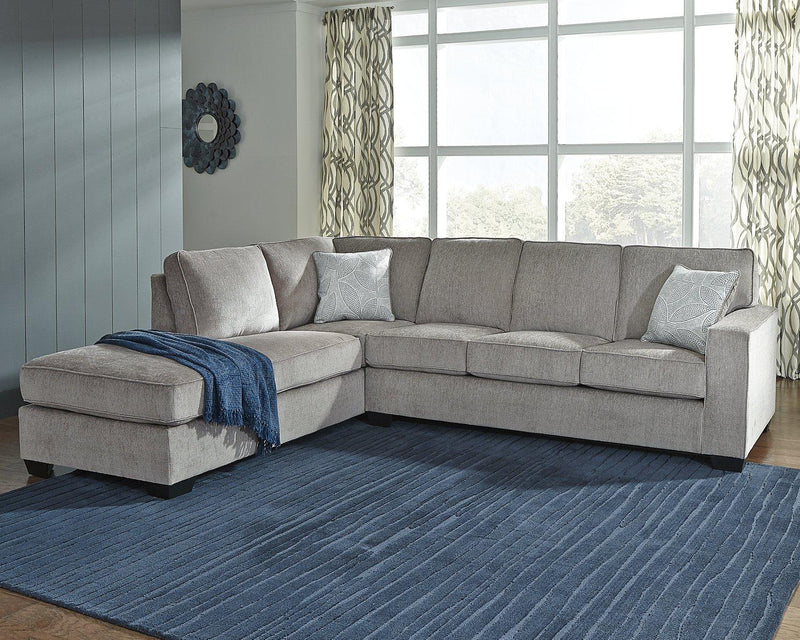
Your living room handles a lot. Morning coffee before the house wakes up. Kids sprawled across the floor with crayons. A work call squeezed between lunch and laundry. Movie marathons on Friday nights. This single space carries the weight of your entire household’s daily life, and it needs to function for all of it, not just look good in photos.
The goal here is practical: a cozy living room that feels inviting 365 days a year. One where you can actually sit down without clearing a mountain of pillows, where natural light floods in during the day and soft lighting takes over at night, and where family and friends naturally want to gather.
What makes a room feel this way isn’t luck or a huge budget. It’s intentional decisions about furniture placement, focal point selection, and the textures you choose to surround yourself with. Layout matters as much as decor, sometimes more.
Here’s what we’ll cover:
Decluttering and purpose: Clearing visual noise and defining how you actually use the room
Layout and flow: Planning furniture placement for walkways, conversation, and daily function
Seating that works: Choosing pieces that support real comfort, not just style
Light, color, and materials: Building a soothing mood with natural materials and layered lighting
Textures and surfaces: Making the room cozy to the touch
Personal touches: Adding flexibility and meaning without creating chaos
What “everyday comfort” really means:
Easy to move through, even when the room is full
Easy to clean and maintain without constant effort
Mentally relaxing rather than visually overwhelming
Adaptable to different activities throughout the day
Every day comfort begins with removing visual noise. A living space crowded with furniture, decorative objects, and items that don’t serve your current life creates mental static. Research from environmental psychology programs shows that decluttered spaces can lower stress hormones by 20-30% compared to cluttered ones. That’s not just tidiness, that’s how your room affects your mood.
Before you buy a single new thing, get clear on how you actually use your living area Monday through Sunday.
Choose 2-3 core activities that your room must support:
Media viewing plus conversation
Kids’ play plus a reading nook for adults
Work-from-home setup plus evening entertaining
Let these purposes drive every decision. If you never host formal cocktail parties, you don’t need a bar cart taking up corner space.
Adopting a minimalist approach by removing unnecessary items and excess furniture can create a sense of openness and spaciousness in your living room. Set aside one weekend and work through the entire room:
Remove duplicate furniture (three small bookcases become one generous unit)
Clear surfaces of items you haven’t touched in months
Box up seasonal decor that doesn’t match your current season of life
Regularly decluttering your living space, such as through seasonal “Spring” cleaning, can help you let go of items that no longer serve a purpose or spark joy.
Divide your living room into functional areas so activities don’t compete:
A media zone with the sofa facing the TV at a comfortable viewing distance
A reading corner with an armchair and a floor lamp
A play area with hidden storage for toys
Use one generously sized coffee table instead of several tiny surfaces. One large bookcase with built-in shelves instead of scattered small units. This consolidation frees 20-30% of your floor space while making the room feel more intentional.
The goal is a room you can tidy in under five minutes. Invest in:
Storage ottomans that hide blankets and remotes
A media console with doors rather than open shelves
Baskets for toys, magazines, and charging cables
This way, the mess of real life has a place to disappear when you need the room to feel calm.

Even the right furniture feels wrong in a poor layout. You can own the most comfortable seating in the world, but if you’re constantly squeezing past it or straining to make conversation, the room won’t work for daily life.
Before moving anything heavy, draw your floor plan to scale. Mark:
All doors and their swing direction (maintain 32-inch clearance)
Windows and how much natural light they receive
Existing focal points like a fireplace, TV wall, or large window
This bird’s-eye view reveals traffic flow problems you can’t see when standing in the room.
16-20 inches between sofa and coffee table (enough for legs, not so far you can’t reach your drink)
30-36 inches for main walkways so two people can walk through without turning sideways
8-9 feet maximum between seats for natural conversation without raising voices
These aren’t arbitrary; they’re based on ergonomic research into how people actually use space.
Every room needs a main anchor that draws the eye and organizes the furniture around it. Common options:
Fireplace (adds both visual warmth and psychological comfort)
Media unit or TV
Large window flooding the room with natural light
Oversized wall art above a console
Point your main seating toward this feature. If you have a secondary focal point, a bookshelf, a gallery wall, support it with accent lighting rather than competing furniture arrangements.
Long rectangular rooms: Position the sofa perpendicular to the length, creating intimacy rather than a bowling-alley feel.
Open-plan spaces connecting to a dining area: Use an area rug to visually define the living area. Place the front legs of sofas and chairs on the rug to make the room feel grounded.
Small apartments with one main wall: Consider an L-shaped sectional against the wall, freeing central floor space for movement.
Focal points aren’t just decorative; they guide furniture placement and help the entire room feel intentional rather than chaotic.
A fireplace adds perceived warmth even when it’s not lit, drawing family members toward a central gathering spot. A large window with unobstructed natural light becomes a focal point in itself, especially when you place comfortable seating nearby.
For rooms where TV viewing and conversation both matter, angle your seating or add flexible seating like swivel chairs. This lets people pivot between the screen and each other without rearranging furniture.
Your coffee table serves as a practical hub. Choose one large enough to serve everyone seated, with a surface for snacks and board games, plus storage underneath for daily essentials.
Avoid competing focal points. If you have both a fireplace and a TV, don’t position them opposite each other. Choose one as primary and support the other with subtle accent lighting. Intentional art placement can help reduce visual clutter in your living room, allowing for a more serene environment by choosing only a few meaningful pieces.

Comfortable seating is the backbone of everyday comfort. Trendy silhouettes mean nothing if your back aches after thirty minutes. Comfortable, deep seating is key to cozy living, with options like plush sectionals, swivel chairs, or oversized accent chairs that invite relaxation.
Your sofa or sectional should be just under the length of your main wall, leaving 6-12 inches on each side for a side table or walkway. In a typical 12-foot wall, that means an 84-90 inch sofa.
Seat depth: 20-24 inches accommodates most adults without forcing them to perch on the edge or sink so deep their feet dangle
Back height: High enough to support shoulders, especially for evening TV watching
Armrests: Wide enough to actually lean on, not just decorative
Investing in comfortable seating options that provide ample support, such as plush sofas and armchairs, enhances the overall relaxation of the space.
A well-rounded seating area might include:
|
Piece |
Purpose |
Flexibility |
|---|---|---|
|
Main sofa (7-9 feet) |
Primary seating for 3-4 |
Anchors the room |
|
1-2 armchairs |
Extra seating, conversation spots |
Can be swivels for the TV pivot |
|
Storage ottoman |
Footrest, added seating, coffee table |
Holds blankets inside |
|
Poufs |
Casual floor seating, kids, guests |
Lightweight, movable |
Your upholstery needs to handle daily life. Look for:
Performance fabrics with 10,000+ rub cycles (Martindale rating)
Natural materials like cotton or linen-blend that breathe and age gracefully
Medium tones that hide everyday wear better than pure white or black
Layering with cozy throw blankets and pillows in soothing textures can enhance the sense of coziness in your seating area. But keep pillows practical, 3-5 per sofa maximum. If you have to clear a pile just to sit down, you’ve gone too far.
Physical comfort determines how long people actually want to linger. Match your seat height to your coffee table so drinks are easy to reach. Standard seat heights of 17-19 inches work well with 18-inch tables.
Consider different bodies in your household:
Firmer seats support older adults getting up and down
Deeper corner sections or chaises work for lounging and teens sprawling
At least one “sink-in” spot, a chaise, recliner, or oversized reading chair, creates a daily retreat
If shopping online, check dimensions and read reviews about firmness. Return rates for sofas run around 20% when people can’t test before buying. Look for 100-day trial policies on major seating purchases.

Lighting plays a crucial role in setting the mood of a room. Natural light should be maximized through easy-to-open window treatments, while soft lighting options like floor lamps and table lamps create a cozy ambiance in the evening. Together with color and materials, light transforms how the entire room feels hour by hour.
Start with what’s free. Keep window sills mostly clear and choose light-filtering curtains that let daylight through without harsh glare. Position your main comfortable seating where it can enjoy daylight during peak hours.
Integrating indoor plants like peace lilies, snake plants, or aloe vera not only adds greenery but also helps purify the air, enhancing the natural feel of the space. Place them near windows where they can thrive and connect your room to the natural world.
A calming color palette with soft and muted hues like soft blues, gentle greens, and earth tones can promote relaxation and create a cozy atmosphere in a living room. These colors are easier to live with every day than high-contrast schemes.
A practical formula:
60% neutrals (walls, large furniture) in soft grays, warm whites, or creams
30% earth tones (rugs, curtains, accent chairs) in muted blues, greens, or tans
10% accents (pillows, throws, small decor), where you can add personality
This balance keeps the space feeling restful, whether you’re using it at 7 AM or 10 PM.
Using natural materials like wood, linen, jute, cotton, and stone in your living room design brings warmth and texture, creating a grounded atmosphere. These materials also tend to emit fewer volatile compounds than synthetics, up to 80% less, making the air feel cleaner.
Practical choices:
Natural wood for coffee table, side table, or shelving
Linen or cotton for curtains and upholstery
Jute or wool for rugs
A wooden bowl or stone tray as a surface accent
Incorporating natural materials such as wood, bamboo, or rattan in furniture and accessories contributes to an organic and calming feel in the living room.
Save saturated colors and very dark tones for elements you can easily swap: throw pillows, a cozy blanket, wall art, or small decorative objects. This way, the room still feels warm and restful when used morning and night.
Medium-tone woods and textured fabrics show less wear than very light or very glossy finishes. A natural wood coffee table with some visible grain will hide daily smudges far better than a high-gloss white lacquer surface.
One overhead light is never enough for a truly cozy living room. Layered lighting, which includes ambient, task, and accent lighting, is essential for creating a warm and inviting atmosphere in a living room.
Three layers to include:
Ambient: A ceiling fixture or recessed lights providing general illumination
Task: Floor lamps beside the sofa for reading, table lamps on a side table for hobbies
Accent: Picture lights above artwork, small lamps on floating shelves, or LED strips behind media units
Using warm, soft lighting instead of bright overhead lights can significantly change how a living room feels, making it calmer and more relaxed. Look for bulbs in the 2700-3000K range, the warm white end of the spectrum.
Place at least one floor lamp and one table lamp near primary seating. Add dimmers where possible so you can shift from active daytime brightness to a softer evening atmosphere with a single adjustment.
Position lamps near focal points, beside a bookcase, above wall art, to subtly draw the eye and make the space feel intentionally designed rather than haphazard.

The objects you touch daily have an outsized impact on comfort. Layering textures with throw pillows, blankets, and rugs is an effective way to enhance the coziness of a living room; these tactile details matter more than most people realize.
Your coffee table serves as the practical heart of the room. Size it large enough to serve everyone seated, generally 36-48 inches long for a standard sofa arrangement. In homes with children or tight layouts, rounded corners reduce injury risk by up to 70%.
Look for tables that combine surface and storage:
A lower shelf for books and magazines
Lift-top designs that rise for laptop work or eating
Drawers for remotes, coasters, and chargers
A room that’s cozy to the eye should also be cozy to the touch. Mix:
Smooth surfaces (natural wood table, leather accent)
Soft upholstery (linen sofa, cotton armchair)
Nubby throws and knit blankets
Flat-weave or plush rugs underfoot
This variety engages multiple senses and makes the room feel warm even before you turn on the heat.
Size matters. Your rug should be large enough that the front feet of all main furniture pieces rest on it; this visually anchors the seating area and makes the room feel intentional. In a typical living room, that means at least an 8x10-foot rug.
Choose durable, easy-clean materials. Wool handles foot traffic well. Jute offers texture at a lower price point. Both are natural materials that add warmth.
A completely bare coffee table feels sterile. A buried-under-stuff coffee table feels chaotic. The perfect balance: one small tray corralling essentials (remote, coasters, a candle), plus one or two decorative objects like a wooden bowl or stack of books.
This keeps the visual interest without creating maintenance stress.

Personal items and flexible pieces transform a living room from “nice enough” to “unmistakably yours.” Personal touches in a living room can include family photos, coffee table books, and sentimental pieces that reflect your personality and history.
Incorporating nature-inspired elements, such as indoor plants and natural materials, can help create a calming and inviting living room environment. Beyond plants, consider:
Framed family photos on a shelf or gallery walls
Travel mementos that spark conversation
Books you actually read, not just decorative spines
A piece of art that means something to you
Creating a gallery wall that mixes family photographs with artwork can tell the story of your family’s journey and add a personal touch to your living room. Keep it curated; a few meaningful pieces have more impact than walls covered edge-to-edge.
Incorporating elements that reflect your family’s current season of life, such as children’s artwork or trophies, can make a living room feel more personal and inviting. These don’t need to be hidden. A framed piece of your kid’s art adds visual interest and reminds everyone that this is a home, not a showroom.
Daily life is unpredictable. Build in pieces that adapt:
Lightweight side tables and stools that can move for guests or movie nights
Poufs that serve as extra seating or footrests
Baskets and lidded boxes so hobbies like knitting, board games, or gaming controllers can be pulled out and put away quickly
This flexibility means you don’t need to reconfigure the entire room for different activities.
Resist the urge to buy everything at once. Live in the room for a few weeks after each addition. Notice which spots feel empty, which items you actually use, and where you naturally set things down.
Let real-life habits guide which pieces truly support everyday comfort. A room built gradually around how you actually live will serve you far better than one designed all at once from a catalog.
The most important thing to remember: the most successful living room is the one your household actually uses and enjoys every single day. Not the one that photographs best. Not the one that impresses guests. The one where your family gathers, where you can finally relax, where the space feels like an extension of your life rather than a chore to maintain.
Start this weekend. Sketch your floor plan. Clear one surface. Add one warm light source. Small changes, consistently made, create rooms that support everyday comfort for years to come.
.
Upgrade your home with living room furniture at Furniture Barn today and create a space that is comfortable, functional, and perfect for everyday living. Whether you are looking for sofas, sectionals, recliners, coffee tables, or complete living room sets, the right furniture helps make your space more inviting and practical for relaxing or entertaining. Designed for both comfort and style, living room furniture can help bring balance and personality into your home.
Now is the perfect time to refresh your living space. Buy living room furniture at Furniture Barn now and create a room where you can relax, entertain guests, and enjoy quality time with family and friends every day.
Delivery
Check what it costs to get this order to your door.